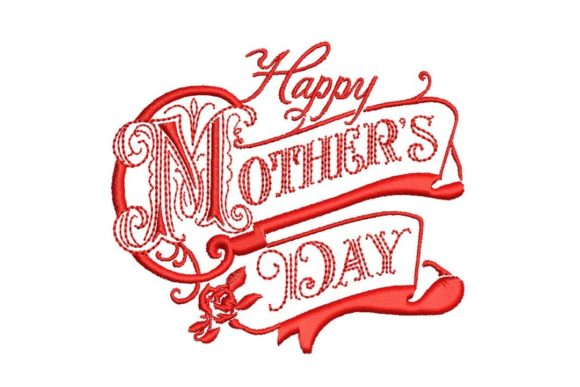
Reviewing Happy Mothers Day Old Fashion for Boutique Sweatshirts
As an embroidery designer who has spent years digitizing patterns and consulting for small clothing brands, I approach every new machine embroidery design with a critical eye. It is not just about whether the pattern looks cute on a screen; it is about how it translates to fabric, how it withstands washing, and whether it elevates the perceived value of the garment. Recently, I had the opportunity to evaluate Happy Mothers Day Old Fashion for a limited-edition sweatshirt drop intended for a boutique brand. This review breaks down the aesthetic potential, technical considerations, and commercial viability of this design for serious apparel decorators and Etsy sellers.
First Impressions: Mood and Aesthetic Appeal
The title Happy Mothers Day Old Fashion immediately suggests a specific vibe. We are not looking at ultra-modern minimalism or aggressive streetwear graphics. Instead, this design leans into nostalgia, warmth, and traditional charm. For a Mother’s Day collection, this is a powerful angle. Consumers are often seeking gifts that feel personal, timeless, and heartfelt. The "Old Fashion" descriptor implies vintage typography, perhaps reminiscent of hand-lettered signs from the mid-20th century, or classic serif fonts that evoke a sense of heritage.
When visualizing this embroidery file on a premium heavy-weight cotton sweatshirt, the contrast between the rustic, nostalgic design and the modern, cozy fabric creates a compelling tension. It feels curated rather than mass-produced. For a boutique brand, this distinction is crucial. The design does not scream for attention with neon brightness; instead, it invites a closer look. It feels decorative yet grounded, making it suitable for customers who appreciate subtle, meaningful details over loud branding.
Styling for Sweatshirts and Hoodies
The versatility of Happy Mothers Day Old Fashion is one of its strongest assets for sweatshirt embroidery. Because the aesthetic is rooted in tradition, it pairs exceptionally well with neutral tones. Imagine this design stitched in cream or muted sage green thread on a charcoal heather grey hoodie. The result is sophisticated and understated. Alternatively, for a more playful and feminine approach, stitching the design in soft pastel pinks or lavenders on a white oversized sweatshirt creates a fresh, spring-ready look that resonates deeply with the seasonal nature of the holiday.
Placement is key to maintaining a premium feel. For this particular design, I recommend a left-chest placement for a classic, polished look. This positioning allows the intricate details of the "Old Fashion" style to be appreciated without overwhelming the garment. However, for an oversized hoodie aimed at a younger demographic, a larger scale version centered on the back could serve as a bold statement piece. The design’s inherent charm also makes it suitable for sleeve accents, adding a unique touch that encourages customers to roll up their sleeves and show off the detail.
Technical Considerations for Commercial Production
While the aesthetic appeal is strong, any professional embroiderer knows that the devil is in the details. Before running a production batch, we must address several technical factors. The product description notes that this digital embroidery file comes with multiple formats, which is essential for compatibility with various machines. However, it is vital to check the specific stitch count and recommended hoop size before starting. These details determine the density and scale of the final output.
Stitch density is a primary concern when working with thick fabrics like fleece or French terry cloth. If the design is too dense, it can cause puckering or stiffness, ruining the soft hand-feel that customers expect from a high-quality sweatshirt. Conversely, if the density is too low, the underlying fabric may show through, especially if using light thread colors on dark garments. Testing on scrap fabric with the same weight and texture as your final product is non-negotiable.
Another critical element is stabilizer choice. For a bulky item like a hoodie, a cut-away stabilizer is generally preferred over tear-away to provide long-term support and prevent distortion after repeated washing. The fabric texture of the sweatshirt will also influence the final look. A smooth jersey knit will render fine details more sharply than a textured loopback fleece, so adjust your expectations and possibly your thread tension accordingly.
Enhancing Brand Identity and Product Value
For an Etsy seller or small shop owner, the right design asset can significantly boost brand identity. Happy Mothers Day Old Fashion offers a cohesive theme that can be extended across other products, such as tote bags, caps, or baby onesies. This consistency helps build visual recognition and trust among buyers. When customers see a well-executed, thoughtful design, they perceive higher value, which can justify a premium price point.
Moreover, the emotional connection tied to Mother’s Day drives engagement. A design that feels handmade and heartfelt encourages social sharing. Encourage your customers to post photos of their finished product using specific hashtags. High-quality printable mockup images featuring the design on lifestyle backgrounds can further enhance your online listings, giving buyers a clear idea of how the item will look in real life.
Final Verdict for Designers and Makers
In summary, Happy Mothers Day Old Fashion is a strong contender for any spring collection focused on family, nostalgia, and comfort. It bridges the gap between casual wear and sentimental gift-giving. For those preparing a small shop product launch, this design offers the flexibility needed for various apparel types while maintaining a distinct, charming character.
Remember to verify the specific technical specifications included in the file package, such as exact dimensions and color sequences, to ensure optimal results. With careful attention to thread color contrast and stabilizer selection, this commercial embroidery design can become a standout bestseller in your boutique lineup. It is not just a pattern; it is a tool for storytelling, allowing you to create pieces that customers will cherish and wear with pride.