Reviewing Mandala Style Embroidery for Boutique Sweatshirts
As an embroidery designer who has spent years refining digitized art for small clothing brands, I approach every new machine embroidery design with a critical eye. It is not just about whether the image looks pretty on a screen; it is about how it translates to fabric, how it withstands wear, and how it elevates the perceived value of the final garment. Recently, I had the opportunity to evaluate the Mandala Style Embroidery Pattern Design for a potential limited-edition drop for a boutique client. This review breaks down my professional assessment of this asset, specifically focusing on its application in premium sweatshirt production.
First Impressions: Mood and Aesthetic Appeal
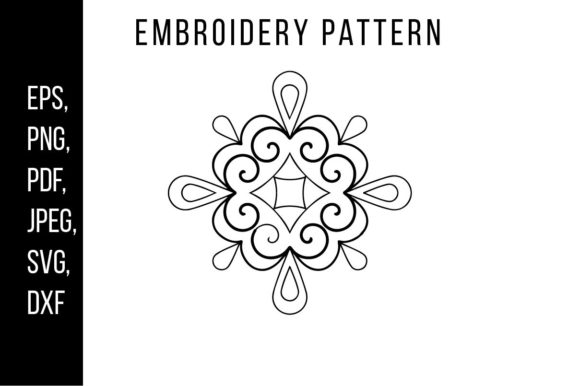
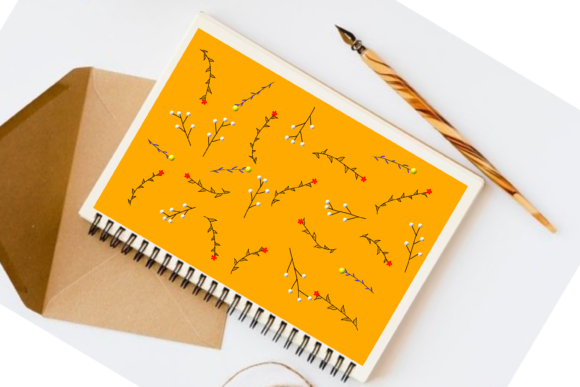
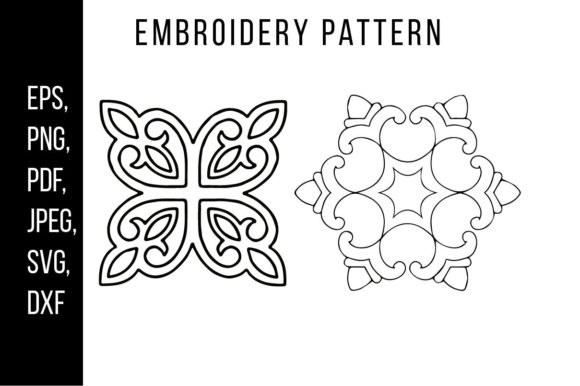
The initial visual impact of the Mandala Style Embroidery Pattern Design is striking. While the title suggests a traditional mandala, the description highlights a "fun modern whimsical design" featuring birds and branches. This fusion creates a unique aesthetic that balances structural symmetry with organic flow. For a boutique brand, this duality is powerful. It feels both decorative and playful, avoiding the stiffness often associated with rigid geometric patterns.
The mood is distinctly feminine yet rustic, making it versatile for various target demographics. When I imagine this design stitched onto neutral sweatshirts, such as oatmeal, sage green, or soft charcoal, the intricate branch details provide a textural depth that flat prints simply cannot achieve. The whimsical bird elements add a touch of narrative, inviting the viewer to look closer. This level of detail is crucial for handmade product presentations, where storytelling drives sales.
Application on Sweatshirts and Hoodies
Translating this design from a digital concept to a tangible sweatshirt embroidery project requires careful consideration of placement and scale. Here is how I envision this pattern working across different apparel types:
- Chest Placement: A scaled-down version of the bird and branches motif works beautifully on the left chest of oversized hoodies. It acts as a subtle brand signature rather than an overwhelming graphic, appealing to customers who prefer minimal but high-quality detailing.
- Sleeve Accents: The linear nature of the branches makes them ideal for running down the sleeve seam. This placement adds a custom apparel feel that distinguishes boutique items from mass-produced retail goods.
- Back Designs: For a bold statement piece, the full mandala structure can be centered on the back of a cozy seasonal hoodie. This large-scale application turns the garment into a wearable art piece, significantly increasing its perceived value.
- Pastel and Dark Fabrics: On pastel colors, I recommend using high-contrast thread colors to ensure the delicate lines do not get lost. Conversely, on dark fabrics like navy or black, metallic or bright white threads can make the design pop, creating a luxurious night-sky effect.
Technical Considerations for Production
For any Etsy seller or small shop owner, technical feasibility is just as important as aesthetics. When preparing the Mandala Style Embroidery Pattern Design for production, several factors must be addressed to ensure a premium finished product.
Stitch Density and Fabric Texture
Sweatshirts are typically made from heavy cotton blends or fleece, which have a distinct fabric texture. The stitch density of this design needs to be balanced. If the density is too high, the fabric may pucker or become stiff, ruining the cozy feel of the garment. If it is too low, the underlying fabric might show through, especially with lighter thread colors. As a designer, I would test a sample patch to adjust the pull compensation and ensure the branches retain their crispness without distorting the knit.
Stabilizer Choice
Given the whimsical and detailed nature of the bird and branches, using the correct stabilizer is non-negotiable. For heavy sweatshirt material, a cut-away stabilizer is usually recommended to provide long-term support and prevent stretching after washing. This ensures that the intricate details of the mandala style remain intact over time, maintaining the integrity of the handmade product.
Thread Color Contrast
The success of this design relies heavily on thread colors. Since the pattern features fine lines and organic shapes, monochromatic schemes can look sophisticated, while multi-colored threads can enhance the whimsical vibe. However, one must ensure that adjacent colors have enough contrast to define the separate elements of the bird and branches. Poor color choices can blur the design, making it look muddy rather than modern.
Commercial Viability and Brand Identity
Incorporating the Mandala Style Embroidery Pattern Design into a collection does more than just decorate a garment; it strengthens brand identity. For creative entrepreneurs, offering embroidered items signals quality and effort. Customers associate machine embroidery with durability and craftsmanship, which builds buyer trust.
From a marketing perspective, this design is highly photogenic. The texture of the stitches catches light differently than printed ink, making it perfect for lifestyle product photography. Close-up shots of the embroidery can highlight the quality of the work, serving as a powerful tool for social media engagement. Whether used for tote bags, book covers, or apparel, these graphics offer versatility that can expand a small business’s product line without requiring new design assets from scratch.
Final Verdict for Designers
The Mandala Style Embroidery Pattern Design is a strong contender for boutique merchandise. It bridges the gap between traditional craft and modern fashion. However, before committing to a full production run, it is essential to verify specific technical details. The provided description notes that it is a hand embroidery pattern set, but for commercial apparel use, you must confirm if a compatible digital embroidery file is available in the required formats for your machine. Additionally, check the recommended hoop size to ensure it fits your equipment and the desired placement on the garment.
Always request a test stitch-out on the actual fabric weight you intend to use. Check for readability at smaller sizes if you plan to use it for logos or small accents. Ensure that the license terms allow for commercial embroidery if you are selling the finished products. By paying attention to these details, you can leverage this design to create a standout small shop product that resonates with customers looking for unique, high-quality handmade items.
In conclusion, this pattern offers a delightful blend of whimsy and structure. With proper technical adjustment and thoughtful placement, it can elevate a simple sweatshirt into a coveted piece of custom apparel, driving both visual recognition and customer loyalty for your brand.