Hawaiian Tie Dye Sea Turtle: A Craft Fair Review
As an embroidery designer who has spent countless weekends behind a booth table, I know that not every machine embroidery design translates into a bestseller. When I first loaded the Hawaiian Tie Dye Sea Turtle onto my machine, I was looking for more than just cute aesthetics. I was evaluating its potential as a high-converting craft fair product. This design sits squarely in the Reptiles category, but it feels less like a biological study and more like a vacation state of mind. For handmade shop owners and Etsy sellers, understanding how this specific aesthetic performs in the real world is crucial for maximizing return on investment.
First Impressions and Visual Appeal
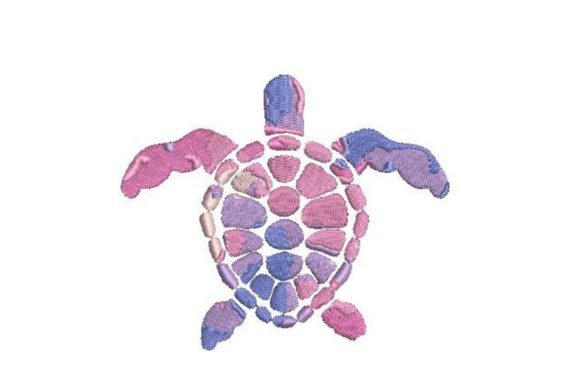
The immediate vibe of the Hawaiian Tie Dye Sea Turtle is fresh, vibrant, and undeniably summery. It does not aim for rustic farmhouse charm or minimal modern elegance. Instead, it leans into a bold, decorative style that screams "beach getaway." The tie-dye effect, when executed correctly with varied thread colors, creates a sense of movement and depth that flat colors often lack. For a customer walking past a crowded market aisle, this visual pop is essential. It stops the eye. In the context of Embroidery, designs that mimic other art forms, like watercolor or tie-dye, often command higher perceived value because they look complex, even if the digitizing is efficient.
Product Versatility for the Handmade Seller
One of the strongest assets of this design is its adaptability across various small shop product lines. Here is how I envision it performing on key items:
- Tote Bag Design: This is arguably the best application. A canvas tote provides a large, flat surface where the turtle can be the focal point. The casual nature of tie-dye pairs perfectly with the utility of a market bag.
- Apron Embroidery: Summer cooking and beachside barbecues make aprons a seasonal staple. Placing the turtle on the bib or pocket adds a playful touch that appeals to gift buyers.
- Tea Towel Embroidery: Kitchen textiles are impulse buys. However, caution is needed here regarding fabric texture. Looped towels can distort small details, so this design works best on flat-woven linen or cotton blends.
- Embroidered Patch: If the design is scaled down effectively, it makes a fantastic iron-on or sew-on patch. Patches are low-cost, high-margin items that allow customers to customize their own denim jackets or backpacks.
- Caps and Hats: Curved surfaces are tricky. The tie-dye effect requires smooth transitions between thread colors. On a structured cap, this can look premium, but on a soft unstructured hat, the fabric puckering might ruin the gradient effect.
Production Practicality and Batch Selling
For those of us running a business, time is money. A digital embroidery file must be reliable. The Hawaiian Tie Dye Sea Turtle appears to rely on color blending rather than intricate micro-details. This is generally good news for production speed. However, you must check the stitch density. High-density areas can cause fabric pull or needle breaks, especially on thinner materials like rayon shirts. Before committing to a large batch of finished products, always run a test stitch-out on your actual production fabric.
Photography is another critical factor. This design photographs beautifully for online listings because the varied thread colors catch the light differently, creating dimension in photos. For your Etsy seller strategy, use a printable mockup to show the design on multiple products before you even hoop the first piece. This saves time and helps you visualize the scale.
Careful-Use Notes for Designers
While the design is charming, there are technical pitfalls to avoid. The tie-dye aesthetic relies on the interplay of colors. If you choose thread colors that are too similar in value, the design will look muddy from a distance. Contrast is key. Additionally, be mindful of the hoop size. Ensure the design fits comfortably within your standard hoops without requiring excessive re-hooping, which slows down production.
Dark fabric presents a challenge. Tie-dye effects often use pastel or bright mid-tones. On black or navy fabric, these colors may vanish unless you use a bright underlay or switch to a version of the design optimized for dark garments. Always check if the provider offers a light-background and dark-background version of the embroidery file.
Enhancing Brand Consistency and Booth Display
Using the Hawaiian Tie Dye Sea Turtle can strengthen your brand if you position yourself as a creator of joyful, vacation-inspired goods. It adds to your design assets library with a specific seasonal appeal. In a booth display, group this item with other ocean-themed or summer-centric products. Create a cohesive look by using similar thread palettes across different designs. This visual consistency helps buyers recognize your style instantly.
Customer engagement increases when they can see the quality up close. Have a sample towel or patch available for touch. The texture of the stitches in a tie-dye style design should feel smooth, not lumpy. If the stabilizer is visible or the back is messy, it lowers the perceived quality of the handmade product. Use cut-away stabilizer for stretchy fabrics like t-shirts and tear-away for stable wovens like tote bags to ensure a professional finish.
Final Designer Verdict
The Hawaiian Tie Dye Sea Turtle is a strong contender for summer inventory. It balances cuteness with a trendy aesthetic that appeals to a wide demographic. For commercial embroidery purposes, it offers versatility across tote bags, aprons, and patches. However, success depends on execution. Verify the license terms to ensure you are cleared for commercial embroidery sales. Check the recommended hoop size against your equipment. Test the stitch density on your specific fabric types.
Do not assume the file is perfect for every material. Create at least one real mockup to judge the scale. Compare how it looks on white versus colored fabric. By treating this digital embroidery file with the same rigor as any other business asset, you can turn a simple sea turtle into a standout seller at your next craft fair. Remember, the goal is not just to embroider a turtle, but to sell the feeling of a fresh, seaside vacation. If your stitching captures that mood, the sales will follow.