Review: DIY Embroidery Flying Bird for Craft Fair Success
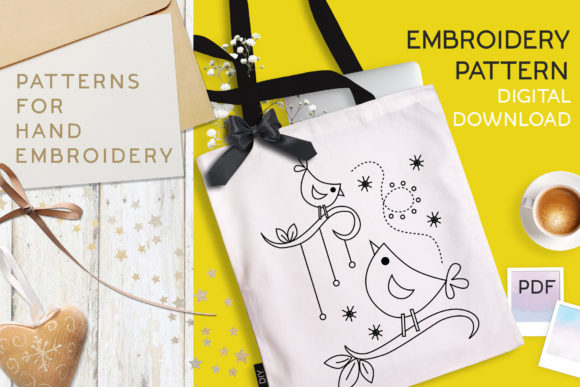
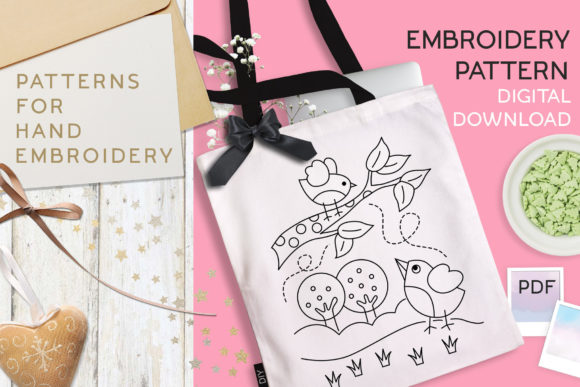
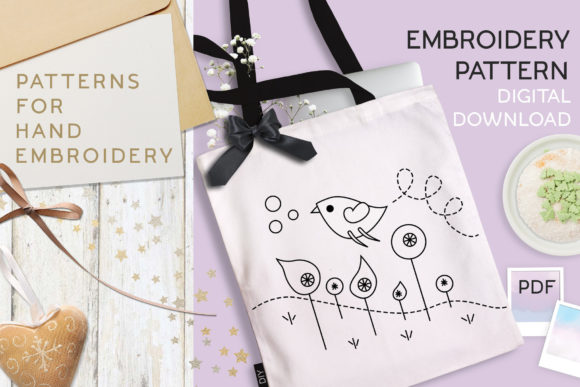
As an embroidery designer who has spent countless weekends behind a booth table, I know that the difference between a design that sits idle and one that flies off the shelf often comes down to immediate visual impact and production practicality. When I first reviewed DIY Embroidery Flying Bird, I was looking for more than just aesthetic appeal; I was evaluating its potential as a reliable craft fair product. This Hand Embroidery Patterns entry promises simplicity, featuring a solitary bird perched on rolling hills accompanied by delicate flowers. For those of us turning digital Graphics into tangible goods, this motif offers a charming balance of nature and minimalism that resonates with modern buyers.
First Impressions and Market Appeal
The initial glance at DIY Embroidery Flying Bird suggests a style that is both rustic and soft. It does not scream for attention with loud colors or complex geometry; instead, it invites the viewer in with a sense of calm. This makes it an excellent candidate for customers seeking handmade items that feel personal and grounded. In a busy market environment, designs that evoke a feeling of tranquility often stand out against the noise. The composition—one bird, hills, and flowers—is straightforward enough to be understood at a glance, which is crucial when shoppers are walking past your display quickly.
For Etsy seller accounts and small shop owners, this type of imagery fits seamlessly into several trending niches, including cottagecore, farmhouse decor, and eco-friendly lifestyle products. It feels less like a generic clipart and more like a thoughtful illustration, which adds perceived value to the finished product.
Versatility Across Product Lines
One of the strongest assets of this pattern is its adaptability. I tested the concept mentally against various common handmade product categories, and the results were promising. Here is how DIY Embroidery Flying Bird performs across different items:
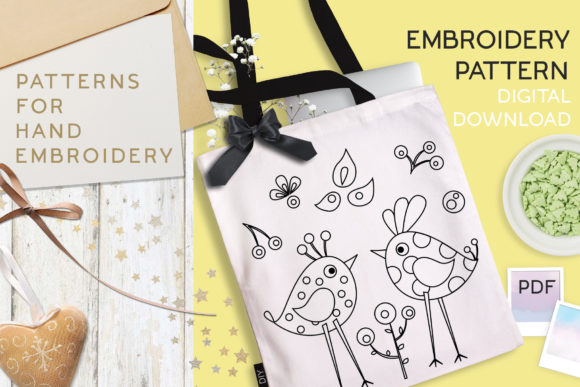
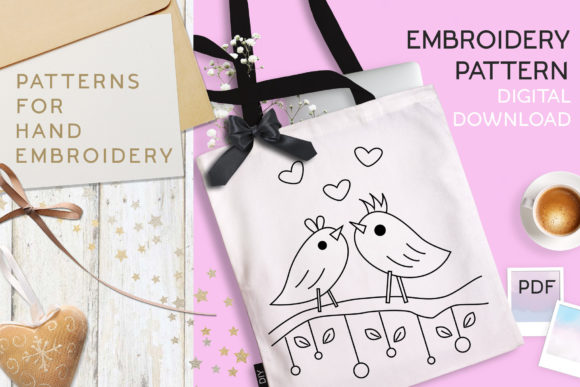
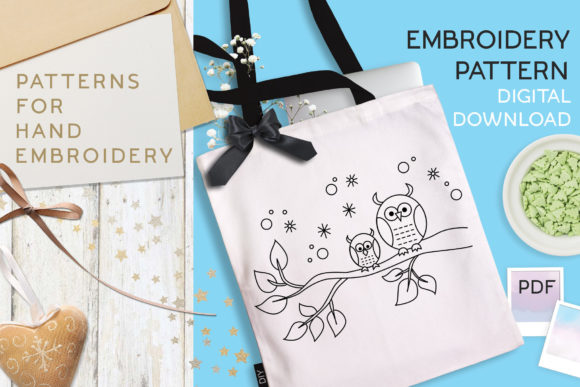
- Tote Bag Design: Placed centrally on a canvas tote, the bird becomes a focal point. The hills provide a natural base that anchors the design, preventing it from looking like it is floating awkwardly.
- Apron Embroidery: On a linen or cotton apron, this motif works beautifully on the bib or the lower pocket. It adds a touch of whimsy to kitchen wear without being overly childish.
- Tea Towel Embroidery: This is perhaps the most natural fit. The horizontal spread of the hills complements the rectangular shape of a tea towel. It transforms a basic kitchen utility item into a giftable keepsake.
- Embroidered Patch: If scaled down correctly, this design can serve as a cute iron-on or sew-on patch for denim jackets or backpacks, appealing to a younger demographic.
- Pillow Covers and Pouches: As a decorative element on home goods, the serene imagery enhances the cozy factor of living room textiles or small fabric pouches.
For those utilizing a machine embroidery design workflow, this pattern’s simplicity suggests it would digitize cleanly, reducing the risk of thread breaks or excessive trim time during batch production. However, since the description highlights it as a pattern for hand embroidery creations, it also appeals to the slow-stitching community who value the meditative process.
Production Practicalities and Careful-Use Notes
While the design is described as simple, experienced makers know that "simple" can sometimes hide technical challenges. Before committing to a large run of commercial embroidery products, consider these practical factors:
- Stitch Density and Detail: The flowers and the bird’s features must be checked for clarity. If the stitch density is too high in small areas, the fabric may pucker. Conversely, if the details are too sparse, the design might look unfinished from a distance.
- Fabric Texture: This design relies on clear lines. On highly textured fabrics like waffle-weave towels or rough burlap, fine details may get lost. It performs best on smooth cotton, linen, or canvas.
- Curved Surfaces: Applying this to caps requires careful hooping. The hills’ curve must align with the cap’s front panel to avoid distortion. A smaller hoop size might be necessary to maintain stability on curved surfaces.
- Color Contrast: Ensure your thread colors contrast sufficiently with the fabric. A dark bird on a navy bag will vanish. Test on both light and dark fabrics to determine if a backing stitch or outline is needed for visibility.
- Stabilizer Choice: Even for simple designs, the right stabilizer is key. For stretchy fabrics like tote bags, a cut-away stabilizer ensures the design remains crisp after washing and use.
It is vital to note that the provided description does not specify exact file formats, hoop sizes, or license terms. Always verify these details in the digital embroidery file package before production. Confirming commercial licensing is non-negotiable for selling small shop product inventory.
Enhancing Visual Appeal and Brand Consistency
Incorporating DIY Embroidery Flying Bird into your lineup can strengthen your brand’s narrative if you focus on nature-inspired or handmade-quality aesthetics. The design’s inherent charm helps in creating cohesive design assets for your marketing. Use it to create a printable mockup for your online listings, showing the design on various items to help customers visualize the end result.
Photography plays a huge role here. Because the design is not overly dense, it photographs well under natural light, highlighting the texture of the stitches rather than just the shape. This transparency builds trust with buyers who want to see the quality of the work. For booth displays, use this design on items at eye level. Its friendly, approachable vibe encourages customers to pick up the item and feel the fabric, increasing engagement.
Final Designer Recommendations
Before launching this as a core part of your inventory, take these steps:
- Test the design on scrap fabric identical to your final product material.
- Check thread tension and spacing to ensure no gaps appear in the hills or bird wings.
- Create at least one real-world sample to assess how the scale looks in person versus on screen.
- Compare different fabric colors to find the combination that makes the bird pop.
DIY Embroidery Flying Bird is a solid contender for craft fair success. It balances ease of production with aesthetic appeal, making it a smart choice for tote bag design, apron embroidery, and other handmade gifts. By paying attention to the technical details of fabric texture and stabilizer choice, you can ensure that every piece you sell reflects the high quality your customers expect from a professional maker.